
When you are pregnant, the food you eat goes directly to your baby in the womb. While nourishing your pregnancy with wholesome foods is something that requires a lot of attention, knowing what foods to avoid is equally important to prevent contamination, pathogens, and complications that could be dangerous to the developing fetus.
Forbidden Foods and Precautions for Expectant Mothers:
Raw or undercooked meats: Obstetricians strictly recommend avoiding these entirely due to the high risk of bacterial contamination, which can cause severe food poisoning, blood infections, or affect a baby’s brain development.
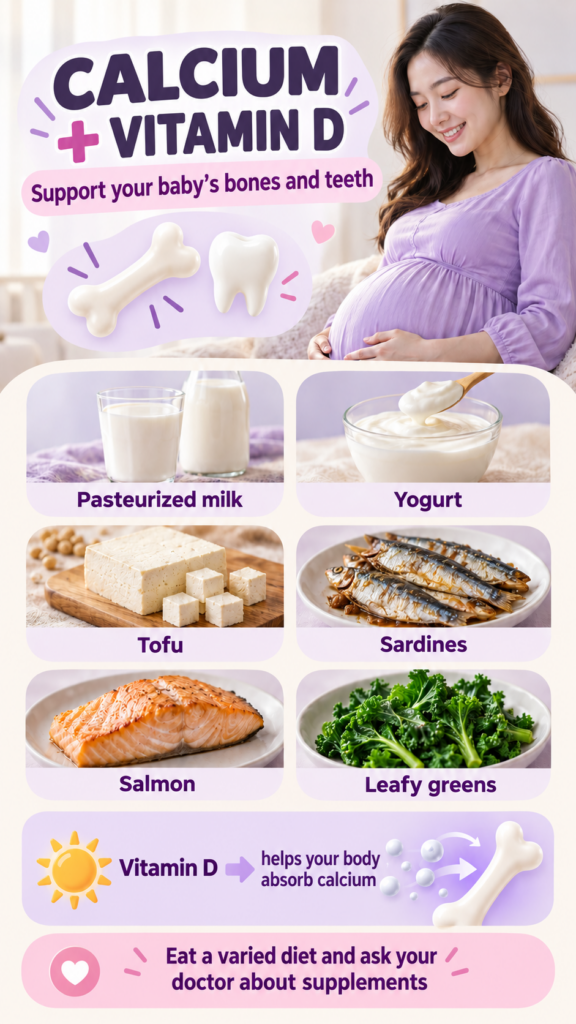
Fish high in mercury: Mercury is toxic to a baby’s nervous system and brain. Safe fish options include salmon, sea bass, or sardines.
Unpasteurized milk, cheese, and dairy products: Products not pasteurized or heat-sterilized carry a high risk of bacterial contamination.
Caffeine and alcohol: Alcohol must be strictly avoided, as it can cross the placenta and damage a baby’s nervous system, brain, and internal organs. For caffeine, intake should be limited to under 200 mg per day; excessive caffeine intake increases the risk of miscarriage or low birth weight.
Processed foods and meats: Items such as fermented foods, sausages, sour pork (Nham), bacon, meatballs, or ready-to-eat frozen meals typically contain high levels of sodium and preservatives, raising the risk of gestational hypertension and water retention.
Foods You Should Eat During Pregnancy:
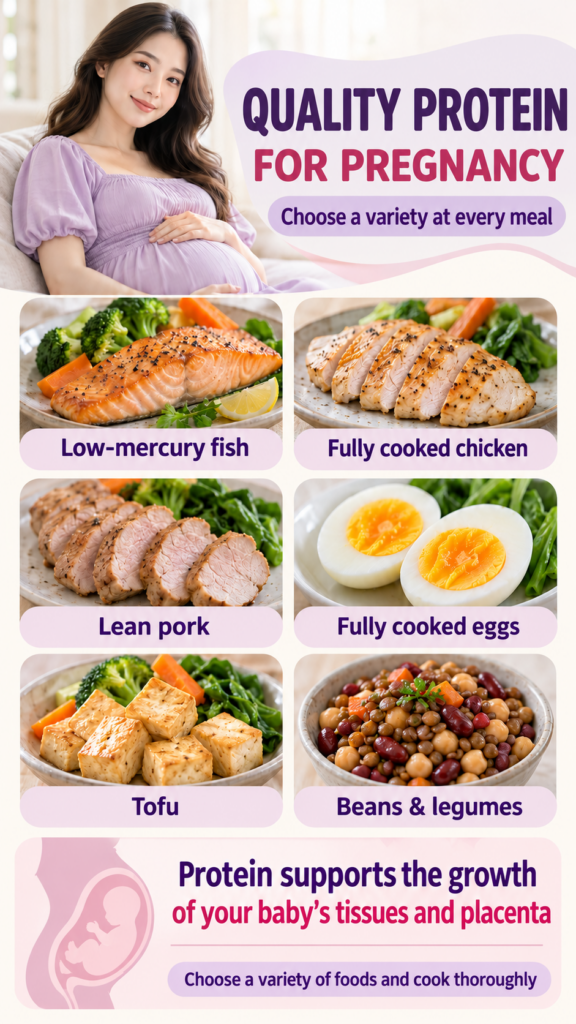
Good-quality protein in every meal: Options such as low-mercury fish, chicken, lean pork, thoroughly cooked eggs, tofu, and various legumes are essential for building the baby’s tissues, placenta, uterus, and muscles, as well as expanding the mother’s blood volume.
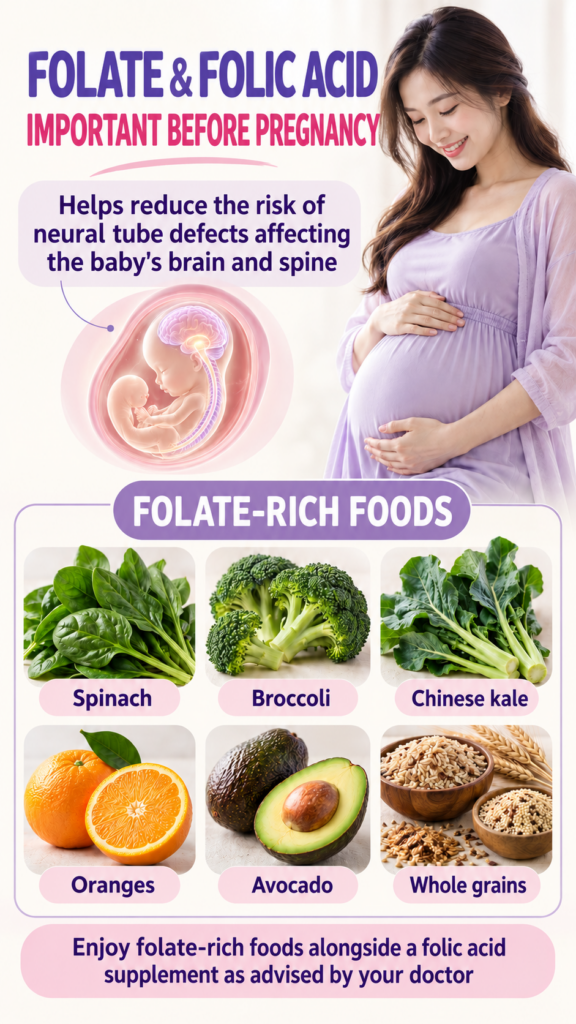
Folate or folic acid: An indispensable nutrient for pregnant women, especially during the first trimester, as it helps form the nervous system and prevent neural tube defects. In addition to vitamin supplements, you can eat foods such as spinach, broccoli, Chinese kale, oranges, avocados, and whole grains.
Calcium and Vitamin D: Because your baby is building bones and teeth, they will draw calcium from your body. If you don’t get enough, you risk osteoporosis, tooth decay, and frequent muscle cramps.
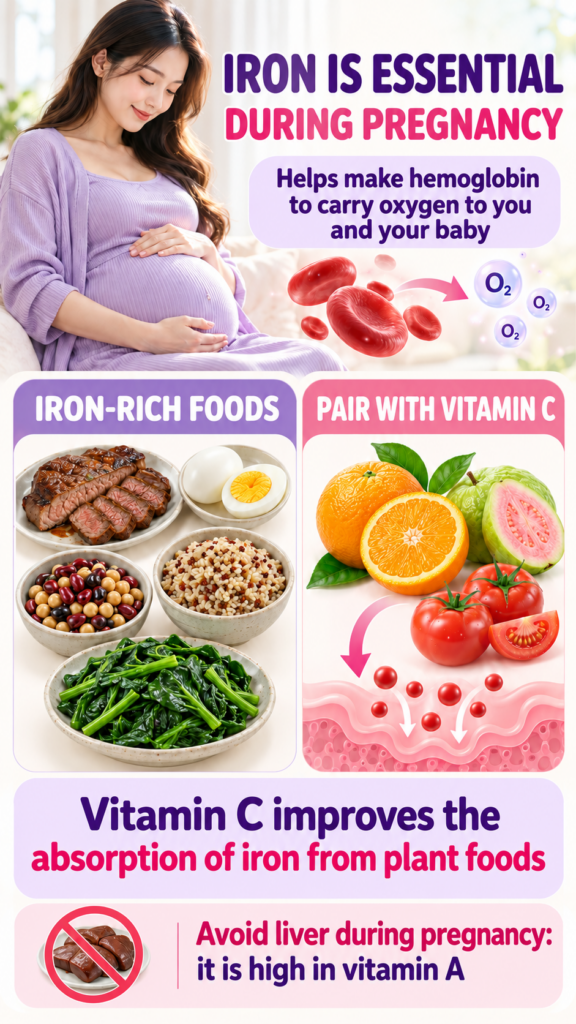
Iron: Crucial for producing hemoglobin in red blood cells to transport oxygen throughout your and your baby’s body, helping prevent anemia and chronic fatigue. Recommended foods include lean red meats, liver (consumed in moderation, not too frequently), egg yolks, whole grains, and leafy green vegetables, ideally paired with high-Vitamin C foods like oranges, guava, or tomatoes to boost iron absorption.
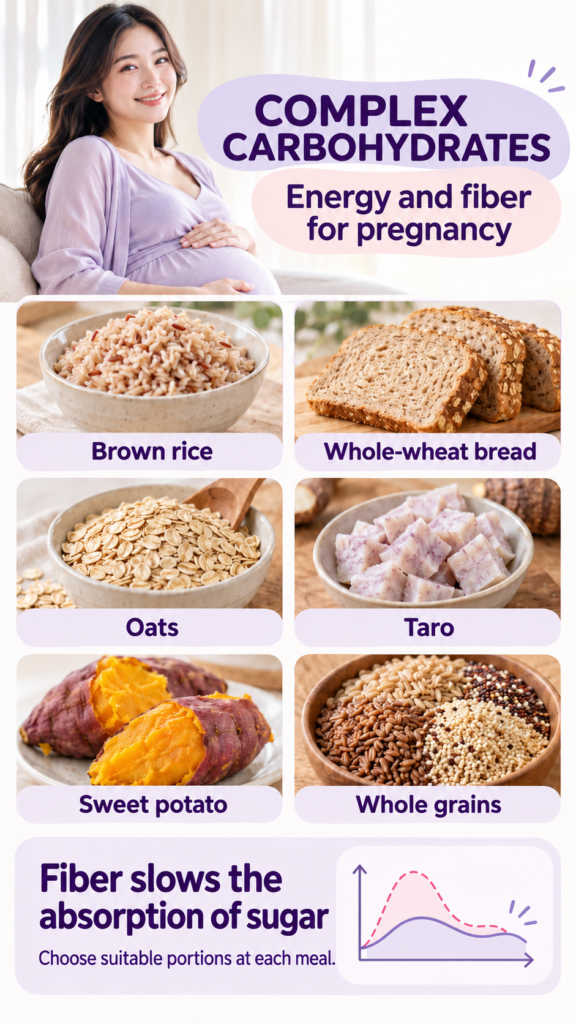
Complex carbohydrates: Brown rice, whole wheat bread, oats, taro, sweet potatoes, and various unrefined grains digest slowly and are high in fiber, helping maintain stable blood sugar levels.
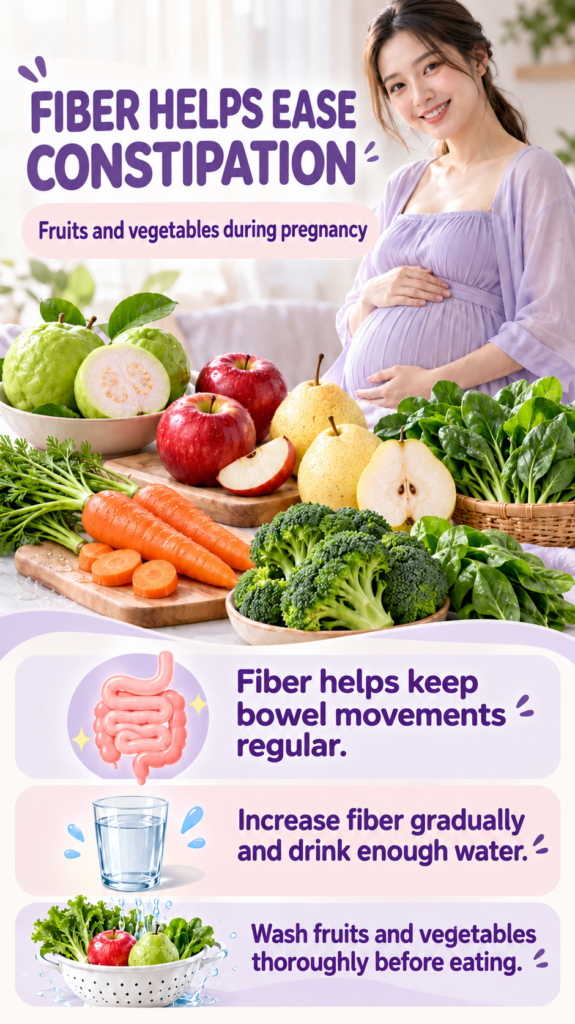
Fiber and fresh fruits and vegetables: To prevent constipation, a common issue during pregnancy.
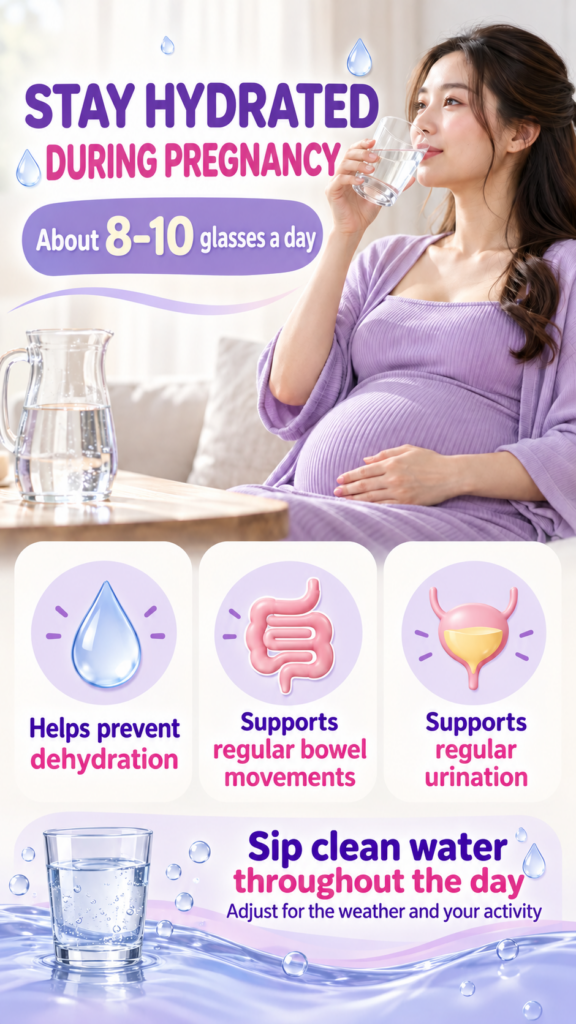
Drink plenty of clean water: About 8–10 glasses per day to prevent dehydration, reduce water retention, prevent urinary tract infections, and support a healthy digestive system.
Choosing what to eat during pregnancy should be based on cleanliness, freshness, and thorough cooking. Eat a high-quality, diverse diet covering the five food groups. If you have underlying health conditions or dietary restrictions, consult your obstetrician or a nutritionist to plan the most suitable meals for you and your baby.

Appointment
iBaby Fertility & Genetic Center
11 Floor, Athenee Tower, Wittayu Road
Mon – Sat 9 am – 4 pm
More Information
Tel : +6621688640
Tel : +6621688641
Tel : +6621688642
Tel : +6621688643
Mail : info@iBabyFertility.com
Line : @iBaby
