

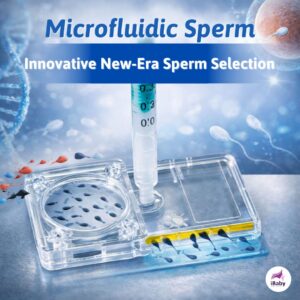
Microfluidics for sperm is primarily used to address male-factor infertility by selecting the highest-quality, most motile, and DNA-intact sperm for assisted reproductive technologies (ART). It serves as a superior alternative to traditional centrifugation methods by reducing damage from reactive oxygen species, using microscale channels to isolate healthy sperm from debris, dead cells, and immature forms.
Who need the Microfluidic sperm
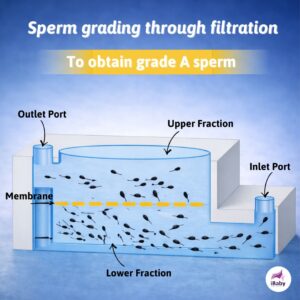
Poor Morphology (Teratozoospermia): The systems help select sperm with normal, healthy shapes, increasing the pool of viable sperm for fertilization.
Low Sperm Motility (Asthenozoospermia): The microfluidic chips, often mimicking the female reproductive tract, allow only actively swimming sperm to pass through, effectively isolating them from non-motile or sluggish sperm.
High DNA Fragmentation: The technique selects sperm with better DNA integrity, reducing the risk of using damaged genetic material, which is crucial for improving IVF and ICSI success rates.
Poor Morphology (Teratozoospermia): The systems help select sperm with normal, healthy shapes, increasing the pool of viable sperm for fertilization.
Low Sperm Count/Concentration (Oligozoospermia): Microfluidics can effectively isolate the few viable sperm present in a sample, which is especially useful when conventional methods fail.
Damaged Sperm from Traditional Prep: Unlike centrifugation, microfluidic sorting is gentle, minimizing ROS damage and maintaining sperm vitality
