
PMOS (Polycystic Metabolic-Ovarian Syndrome), formerly known as PCOS (Polycystic Ovary Syndrome), is one of the most common hormonal and metabolic conditions affecting women of reproductive age. It can influence ovarian function, ovulation, and ultimately a woman’s ability to conceive naturally.
Women with PMOS may have multiple small follicles in their ovaries and experience symptoms such as irregular menstrual cycles, acne, excessive hair growth, weight gain, or insulin resistance.
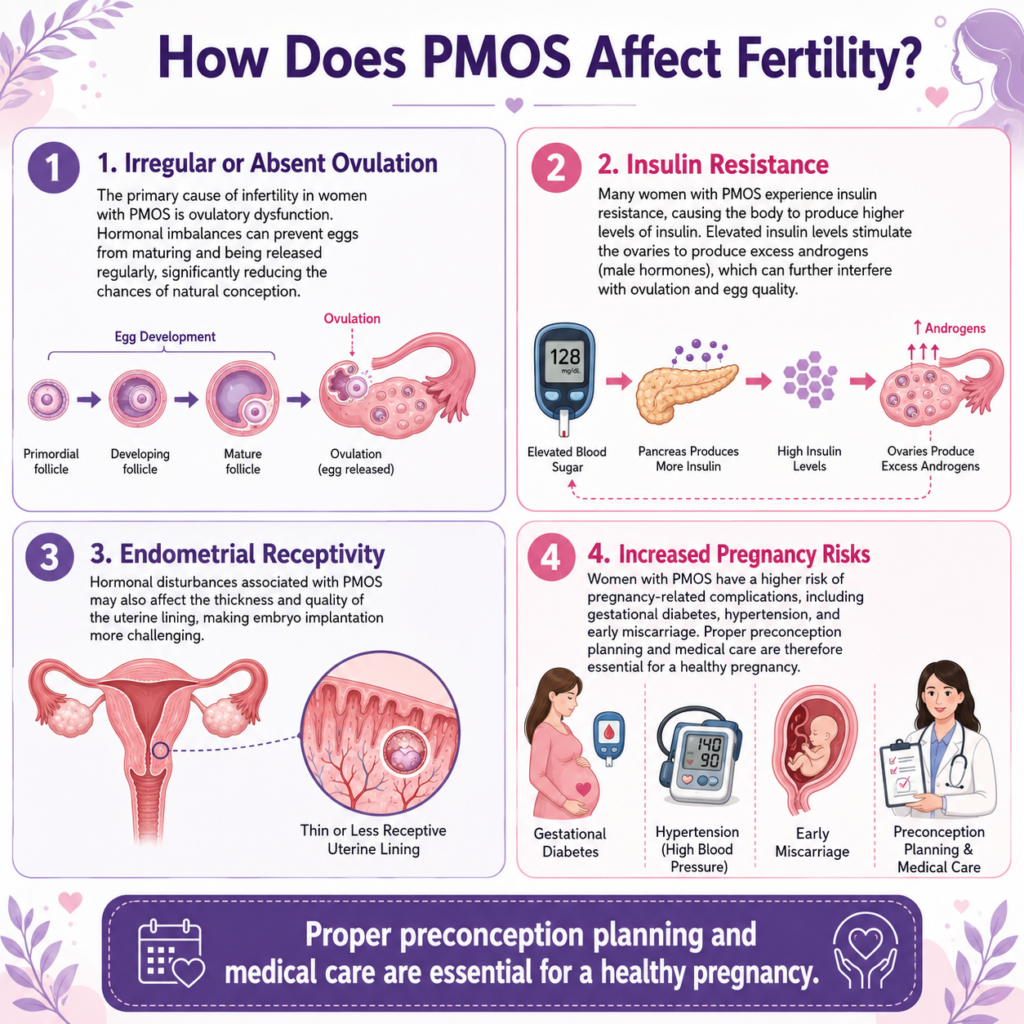
How Does PMOS Affect Fertility?
- Irregular or Absent Ovulation
The primary cause of infertility in women with PMOS is ovulatory dysfunction. Hormonal imbalances can prevent eggs from maturing and being released regularly, significantly reducing the chances of natural conception.
Many women with PMOS experience insulin resistance, causing the body to produce higher levels of insulin. Elevated insulin levels stimulate the ovaries to produce excess androgens (male hormones), which can further interfere with ovulation and egg quality.
- Endometrial Receptivity
Hormonal disturbances associated with PMOS may also affect the thickness and quality of the uterine lining, making embryo implantation more challenging.
- Increased Pregnancy Risks
Women with PMOS have a higher risk of pregnancy-related complications, including gestational diabetes, hypertension, and early miscarriage. Proper preconception planning and medical care are therefore essential for a healthy pregnancy.
Fertility Treatment Options for Women with PMOS
Treatment plans should be individualized based on age, duration of infertility, and other factors affecting both partners. Common approaches include:
– Lifestyle modification and weight management
– Ovulation induction medications
– Intrauterine insemination (IUI)
– In vitro fertilization (IVF/ICSI)
How Can IVF/ICSI Help Women with PMOS?
- Controlled Ovarian Stimulation
(IVF/ICSI) allows fertility specialists to carefully monitor and control ovarian stimulation, enabling the retrieval of multiple mature eggs even in women who do not ovulate regularly.
- Higher Chances of Fertilization
Retrieved eggs are fertilized in the laboratory, allowing embryologists to select high-quality embryos for transfer. This process can significantly improve pregnancy rates compared with natural conception.
- Reducing the Risk of OHSS
Women with PMOS often respond strongly to fertility medications and are at increased risk of Ovarian Hyperstimulation Syndrome (OHSS). Modern IVF protocols, including individualized stimulation regimens and freeze-all strategies, help minimize this risk and improve patient safety.
- Genetic Testing Options
(IVF/ICSI) can be combined with Preimplantation Genetic Testing (PGT) when appropriate, allowing the selection of chromosomally normal embryos and reducing the risk of miscarriage or inherited genetic disorders.
PMOS, formerly known as PCOS, can significantly affect fertility by disrupting ovulation and hormonal balance. Fortunately, advances in reproductive medicine have made successful pregnancy possible for many women with this condition. Early diagnosis, individualized treatment, and expert fertility care can help couples choose the most appropriate path toward building their family.

Appointment
iBaby Fertility & Genetic Center
11 Floor, Athenee Tower, Wittayu Road
Mon – Sat 9 am – 4 pm
More Information
Tel : +6621688640
Tel : +6621688641
Tel : +6621688642
Tel : +6621688643
Mail : info@iBabyFertility.com
Line : @iBaby
